South Serengeti, April 2026
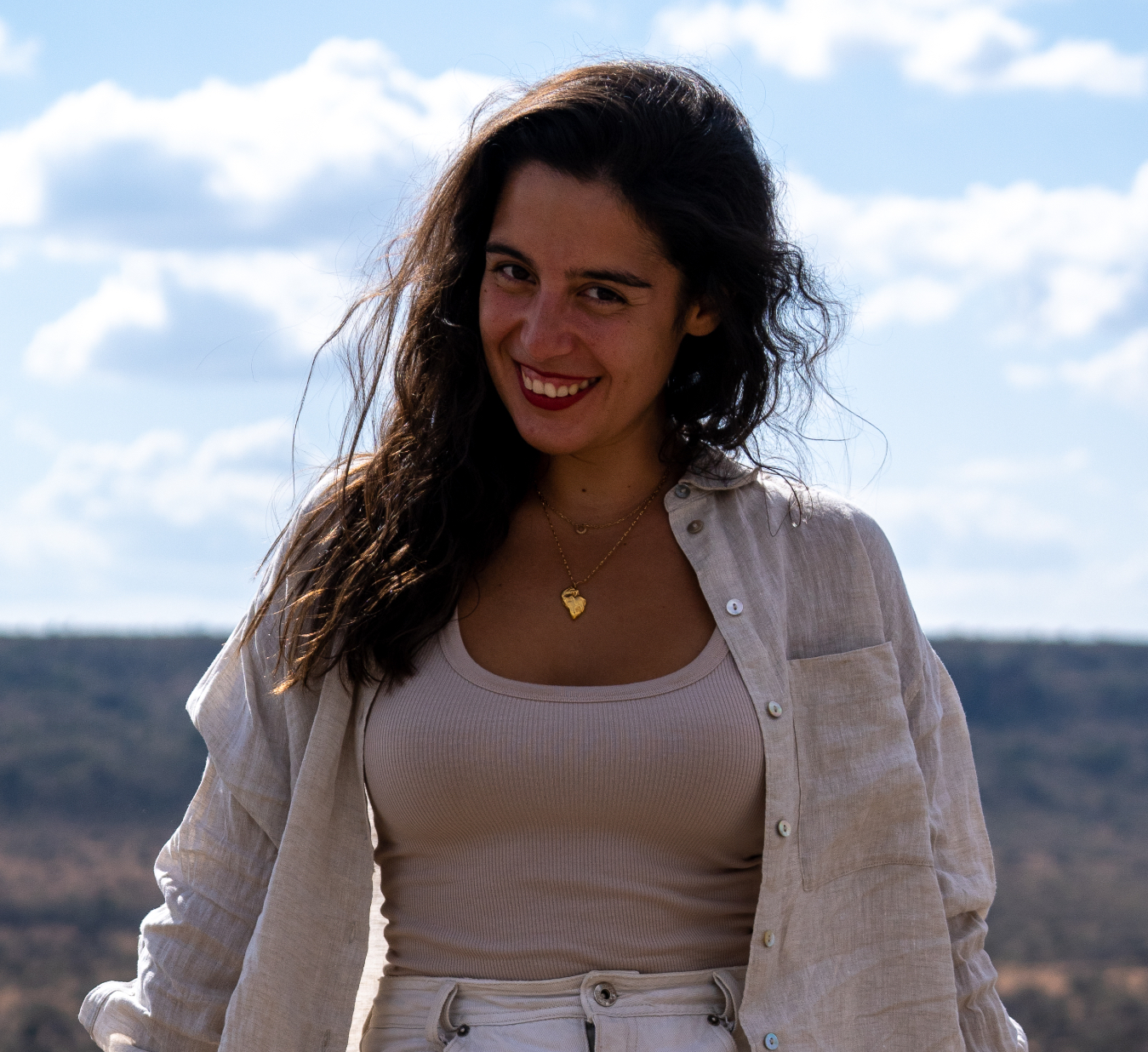

People often ask me if I get bored of safaris. Frankly, I don’t think I ever will. Because no two game drives are ever the same - and marvelous surprises expect at every turn.
Let’s rewind to the last day of 2025, which Gabi, Satya and I sent off at a mobile camp deep in the heart of South Serengeti. Esirai is a very small and intimate camp, and the staff and 8 other guests had gone to bed early, leaving the three of us with a bottle of champagne and the ambition to make it to midnight. We sat at the porch of my tent, looking out into the vast darkness beyond, listening to the grunts of the wildebeest and zebras running behind our tents. Satya was in charge of scanning the area for feline visitors with a big flashlight, which, at exactly ten minutes to midnight, light up a pair of eyes in the darkness, no more than 50 meters from us...
I should start with a little bit of context. We were lucky to be in South Serengeti right in time for the Great Migration, when more than a million wildebeest and zebras come down here to give birth. We opted in for a mobile camp to get the most immersive experience possible; mobile camps have a very small footprint and move across the Serengeti in pursuit of the herds, making this the best way to get close to the animals.
So that New Year’s Eve, our tent happened to be in the middle of the herd. It should be no surprise that hungry big cats would be lurking around. We held our breath, ready to jump inside the tent if the eyes moved, counted down the last few minutes of the year, and hurried to bed as soon as the clock hit midnight.
I woke up early, adrenaline still rushing. I made a cup of tea and walked out on my porch. Guess who I saw hiding close to the spot where the eyes were the night before? A lioness! She had hidden herself so well inside the grass that, much to my surprise, none of the passing animals saw her. She just lay there, quiet, calculating, waiting for the best time to jump out for a quick breakfast snack.
I noticed Gabi, Satya and a few of the other guests had already made their way out to the edge of the camp, looking at the lioness from a safe distance. I grabbed my camera and my tea and headed over to try and snap a photo. It took me a good fifteen minutes of stalking before she finally put her head up just enough for it to be visible in a picture. She took a slow look around, twitched her ears, and sunk back into the grass.
A long queue of zebras were slowly and cautiously crossing right in front of her. I counted more than fifty. Yet none of them saw her. All she needed was one well-calculated jump and a strong hit with her heavy paw, and breakfast would be served. But lions are too smart for such rash actions. She needed the queue to thin out first and for a baby zebra to become separated from her mother. Otherwise it would be too dangerous. Zebras are notoriously ill-tempered and will fearlessly attack lions if their calves are in danger. So the lioness lay there and bided her time for a long while, waiting for the best moment to strike. A surprise was coming for the zebras, eventually.
This is how things work in the savannah. Surprises are so common that they are no longer surprises at all; the unexpected is, indeed, always to be expected. Sometimes it takes a while, but it always comes. And could the same rule not apply to our lives as well? And is it that, maybe, just maybe, we all too often get carried away by our day-to-day and forget that we are, in fact, on an adventure every day?


Comments